- Pittsburgh & Southwestern PA • Custom-Engineered Water Treatment
- Fully Licensed & Insured
- 24/7 Emergency Water Service
- 3rd Generation Water Treatment Experts


The short answers first — the full guide is below.
A point-of-use process that uses your household water pressure to push water through a semipermeable membrane, separating treated drinking water from a concentrated reject stream that goes to the drain.
Every certified system must reduce total dissolved solids. Reductions for lead, arsenic, nitrate, fluoride, and PFAS are separate optional claims — they have to be verified for the specific model.
Under the kitchen sink, feeding a dedicated drinking water faucet — and often the refrigerator and ice maker too. It treats the water you drink and cook with, not the whole house.
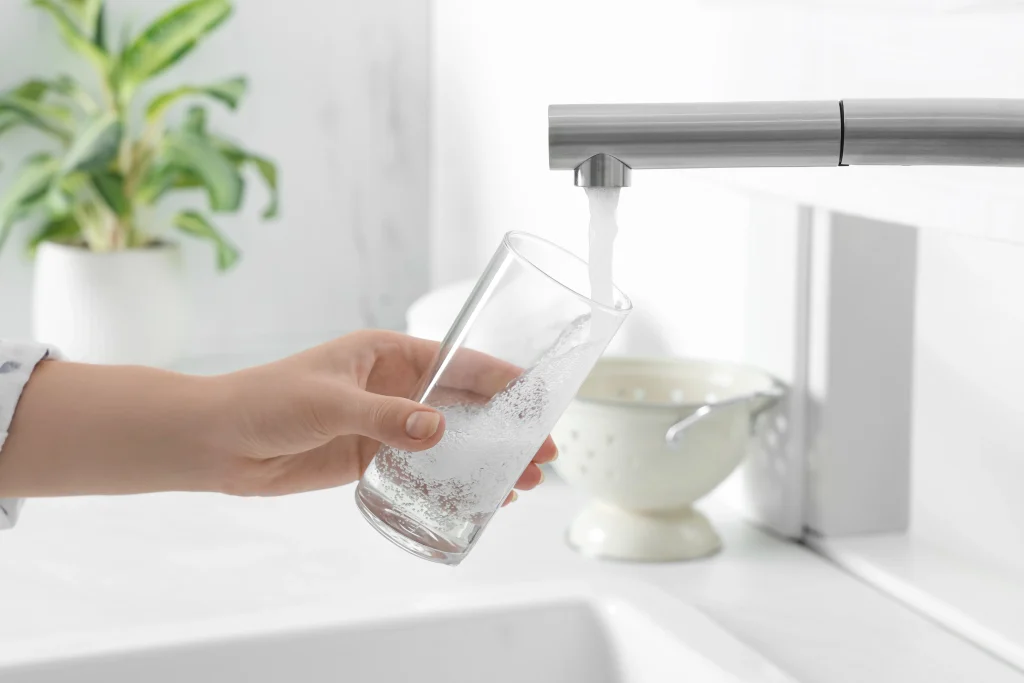
Reverse osmosis is a point-of-use treatment that forces water through a semipermeable membrane, leaving dissolved contaminants behind. The treated water is delivered to a dedicated faucet; the concentrated reject stream goes to the drain.
Normally water moves toward the higher mineral concentration. An RO system reverses that using your household pressure — which is where the name comes from.
The honest version, including the certification detail most companies skip.
| Concern | Role of RO | The qualification that matters |
|---|---|---|
| Total dissolved solids | Core function | Certified systems must reduce TDS by at least 75% — this is the one required performance claim |
| Lead | Can reduce it | An optional claim. Confirm the specific model is certified for lead |
| PFAS | Effective treatment option | EPA reports high-pressure membranes are typically over 90% effective across a wide range of PFAS. Verify the model’s current PFAS claim |
| Arsenic, nitrate, fluoride | Certain systems reduce them | Each is a separate optional claim — check the performance data sheet |
| Sodium and chloride | Generally reduced | Output depends on feed water and pressure |
| Calcium and magnesium | Reduced along with the rest | Optional remineralization can restore taste |
| Bacteria | Membranes physically reduce microorganisms | Not a substitute for well disinfection or UV where bacteria are present |
| Iron, manganese, sulfur, sediment | Not the job of an RO | Treat these upstream or they will foul the membrane |
Five stages, each with a real job — not a stage count for the brochure.
The treatment sequence
Captures sand, rust, and suspended solids that would shorten the life of every stage after it.
Reduces chlorine or chloramine that would damage the membrane. The carbon has to match the disinfectant used.
Separates treated water from dissolved contaminants and sends the concentrate to the drain.
A tank stores treated water; a tankless design produces it on demand at higher flow.
A final filter refines taste. An optional mineral stage adds controlled calcium and magnesium back for a fuller taste.
What actually matters
The number of advertised “stages” does not tell you whether a system is any good. What matters is whether each stage has a real purpose for your water, whether the carbon matches your disinfectant, whether the membrane is sized for your pressure and demand, and whether the system carries the certification for the contaminant you are actually worried about. A ten-stage system built for the wrong water is still the wrong system.
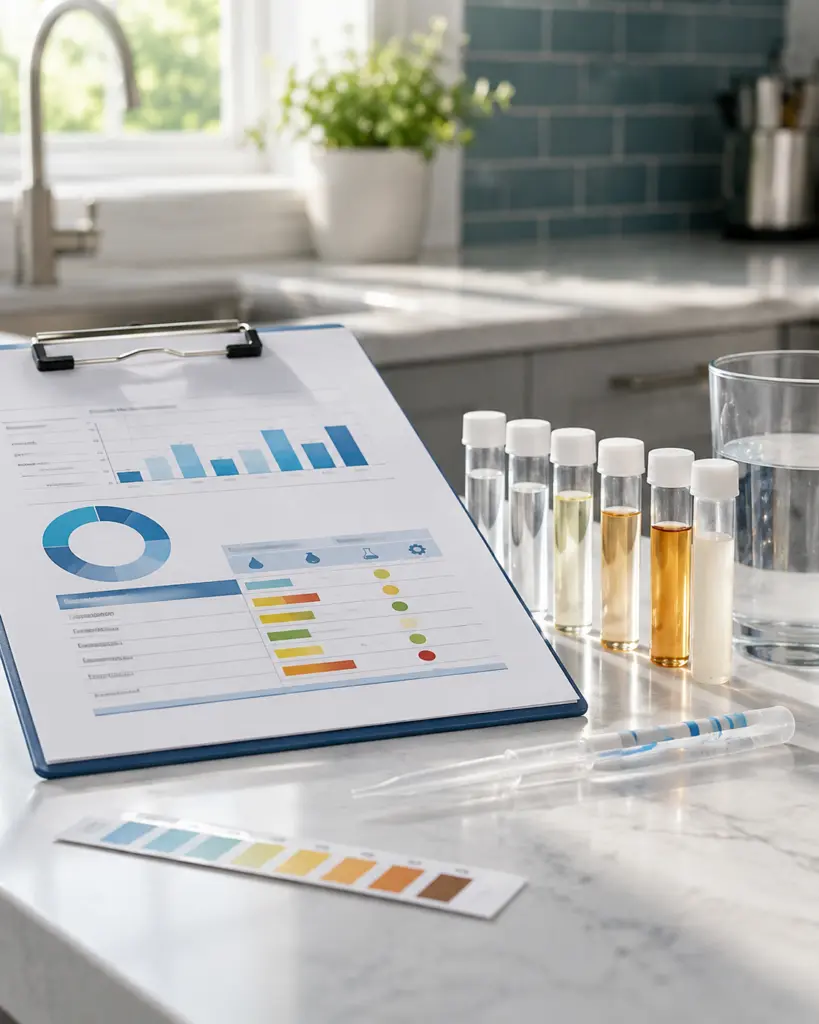
On municipal water, your supplier treats and monitors before it reaches you. RO is usually chosen for taste, dissolved solids, or a specific concern like lead from older household plumbing or PFAS. That is a preference and a targeting decision — not a statement that your city water is unsafe.
On a private well, Pennsylvania does not regulate your water. Testing and treatment are your responsibility. Here the order matters enormously: iron, manganese, hardness, sulfur, sediment, pH, or bacteria usually have to be handled at the point of entry before the RO.
Membranes perform inside a narrow set of conditions. These are the findings that change the plan.
| What the test finds | What has to happen first |
|---|---|
| Heavy sediment | Sediment filtration ahead of the system |
| Iron or manganese | Treat at the point of entry — these foul membranes fast |
| Hard water | Softening or scale protection |
| Sulfur odor | Corrected upstream, not at the sink |
| Bacteria present | Disinfect the source and add appropriate microbial protection |
| Low pH | pH correction, which also protects your plumbing |
| Low feed pressure | Evaluate a booster pump — low pressure means low production |
| Chloramine | Select carbon that matches the disinfectant, not generic carbon |
Configured to your water and your kitchen — not pulled off a shelf.
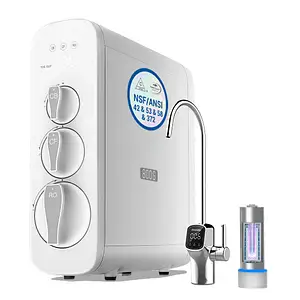
NSF/ANSI 42, 53, 58 & 372
Multi-stage treatment with an added ultraviolet stage and a dedicated faucet. Built for well homes where microbial protection belongs at the drinking water tap.
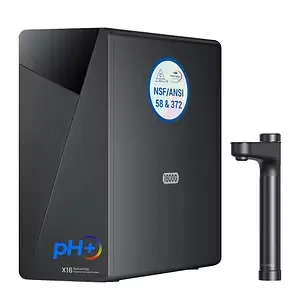
NSF/ANSI 58 & 372
Direct-flow design with remineralization. No storage tank taking up the cabinet, faster production, and a fuller finished taste.
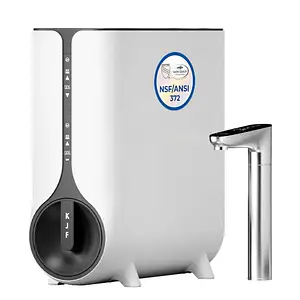
NSF/ANSI 372
A smaller direct-flow footprint for tight cabinets, paired with a designer faucet. Same engineering approach, less space.
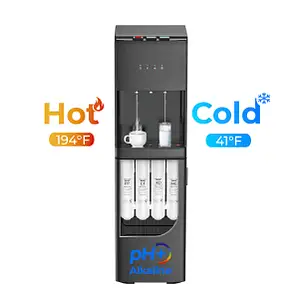
pH+ Alkaline
Treated water on demand at 194°F and 41°F from one dispenser, with remineralization. For households that drink a lot of tea, coffee, and cold water.
Yes — every RO system sends some water to the drain. The question is how much. A typical point-of-use system discharges five or more gallons for every gallon it treats, and the least efficient can reach ten.
EPA’s WaterSense label sets a ceiling: no more than 2.3 gallons of reject per gallon of treated water. EPA estimates that switching from a typical system to a labeled one saves more than 3,100 gallons a year.
Efficiency is not a spec sheet detail here. It depends on your feed pressure, household demand, and membrane recovery — which is why we look at those before choosing, instead of picking by purchase price.
Two things every RO buyer should ask about before signing anything.
Filter and membrane life depends on your water chemistry, your usage, and what pretreatment is in place. We follow the manufacturer schedule for the system you actually have and verify performance — rather than applying one blanket replacement date.
Prefilter and Cesare’s carbon replacement, membrane performance check, tank pressure, leak and tubing inspection, sanitation, remineralization cartridge where fitted, and a finished-water test to confirm it is still doing its job.
Tank versus tankless, membrane capacity, which certified reduction claims you need, faucet choice, refrigerator connection, drain and electrical access, feed pressure, remineralization, and whether pretreatment is required.
An Allegheny County homeowner wanted better-tasting drinking water and lower dissolved solids — while keeping whole-home treatment separate from a dedicated kitchen drinking-water system.
Incoming water carried 438 ppm total dissolved solids, 1.7 ppm chlorine, 8.4 gpg hardness and a feed-water pH of 7.4. The homeowner wanted lower dissolved solids and better drinking-water taste — those four measurements describe taste and scale, not whether the water is free of bacteria, lead, nitrate or PFAS.
The incoming water was first treated with Cesare’s carbon to reduce chlorine and protect the RO membrane. The dedicated drinking-water system then ran sediment filtration, Cesare’s carbon filtration, reverse osmosis, and a final remineralization stage.
The RO system cut dissolved solids roughly 95% — from 438 ppm to 24 ppm — and chlorine fell below the field method’s reporting limit. Three pH readings are worth keeping separate: feed water 7.4, RO permeate before remineralization 6.6, and finished water at the faucet 7.2 after the remineralization cartridge.
A reverse osmosis system earns its place on the numbers, not the stage count. This one reduced dissolved solids about 95% and delivered clean, remineralized drinking water at the tap.
| Measurement | Incoming water | RO water | Applicable reference |
|---|---|---|---|
| Total dissolved solids | 438 ppm | 24 ppm | EPA secondary guideline, 500 ppm — aesthetic, not health-based |
| Chlorine | 1.7 ppm | Below the field method’s reporting limit | EPA maximum residual disinfectant level, 4.0 mg/L |
| Hardness (as CaCO₃) | 8.4 gpg | Below 1 gpg | No federal drinking-water limit |
| pH — feed water | 7.4 | — | EPA secondary range, 6.5–8.5 |
| pH — RO permeate before remineralization | — | 6.6 | Below the secondary range until remineralized |
| pH — finished water at the faucet | — | 7.2 | EPA secondary range, 6.5–8.5 |
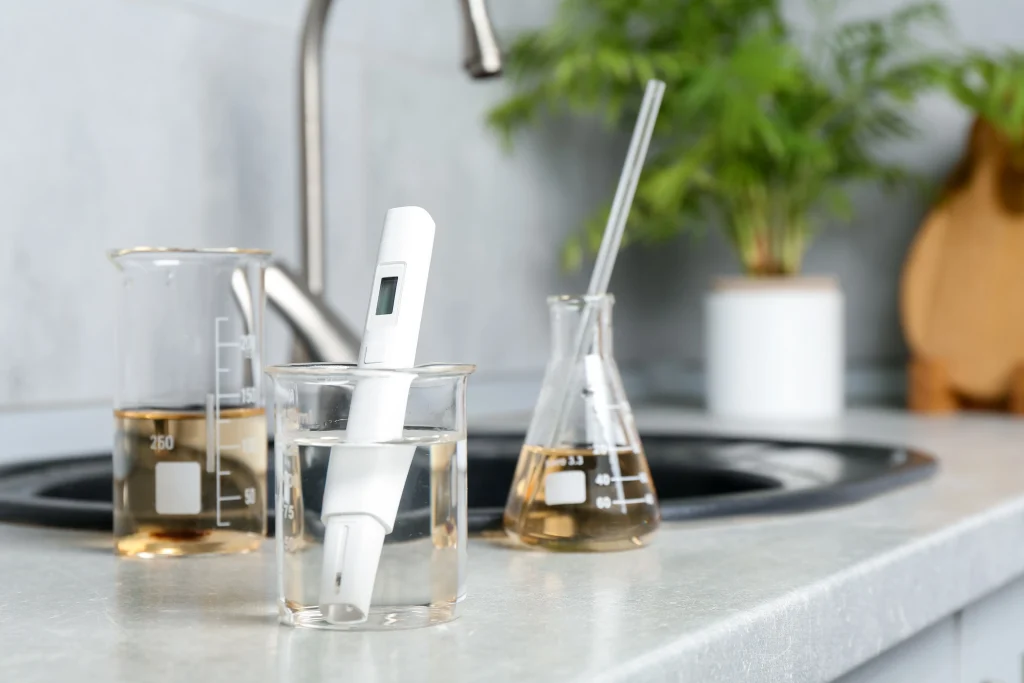
Measured by on-site field analysis. The RO system reduced dissolved solids by approximately 95%, and the remineralization stage raised finished-water pH from 6.6 to 7.2. *EPA Secondary Standards are non-enforceable aesthetic guidelines.
Every claim on this page traces back to a primary source — regulators, accredited standards bodies and the utilities that publish local water quality.
Reviewed July 2026 by Lance Cesare, third-generation water-treatment specialist. Water testing referenced on this page is on-site field analysis performed by Cesare’s Quality Water Solutions, not certified laboratory analysis. Bacteria, lead, nitrate, PFAS and disinfection by-product results require an accredited laboratory and are not published from field methods.
More answers in our Reverse Osmosis Knowledge Center.