Cesare's Quality Water Solutions

Pittsburgh & Southwestern PA • Custom-Engineered Water Treatment | Fully Licensed & Insured • 24/7 Emergency Service • 3rd Generation Experts

Fully Licensed & Insured 24/7 Emergency Water Service 3rd Generation Water Treatment Experts
Your Regional Water Quality Guide

Water Quality Resources for Southwestern Pennsylvania

Comprehensive information about water quality challenges, testing resources, and custom-engineered treatment solutions for homeowners throughout the Pittsburgh region and surrounding counties. Whether you’re on municipal water or a private well, understanding your water is the first step to improving it.

✓ 13 Counties Served ✓ Up to 10-Year Warranty ✓ Custom-Engineered Systems
2.5M+ Regional Population
13 Counties Served
50% PA Wells Fail Standards
3 Generations of Expertise
Regional Overview

Understanding Southwestern PA Water Quality

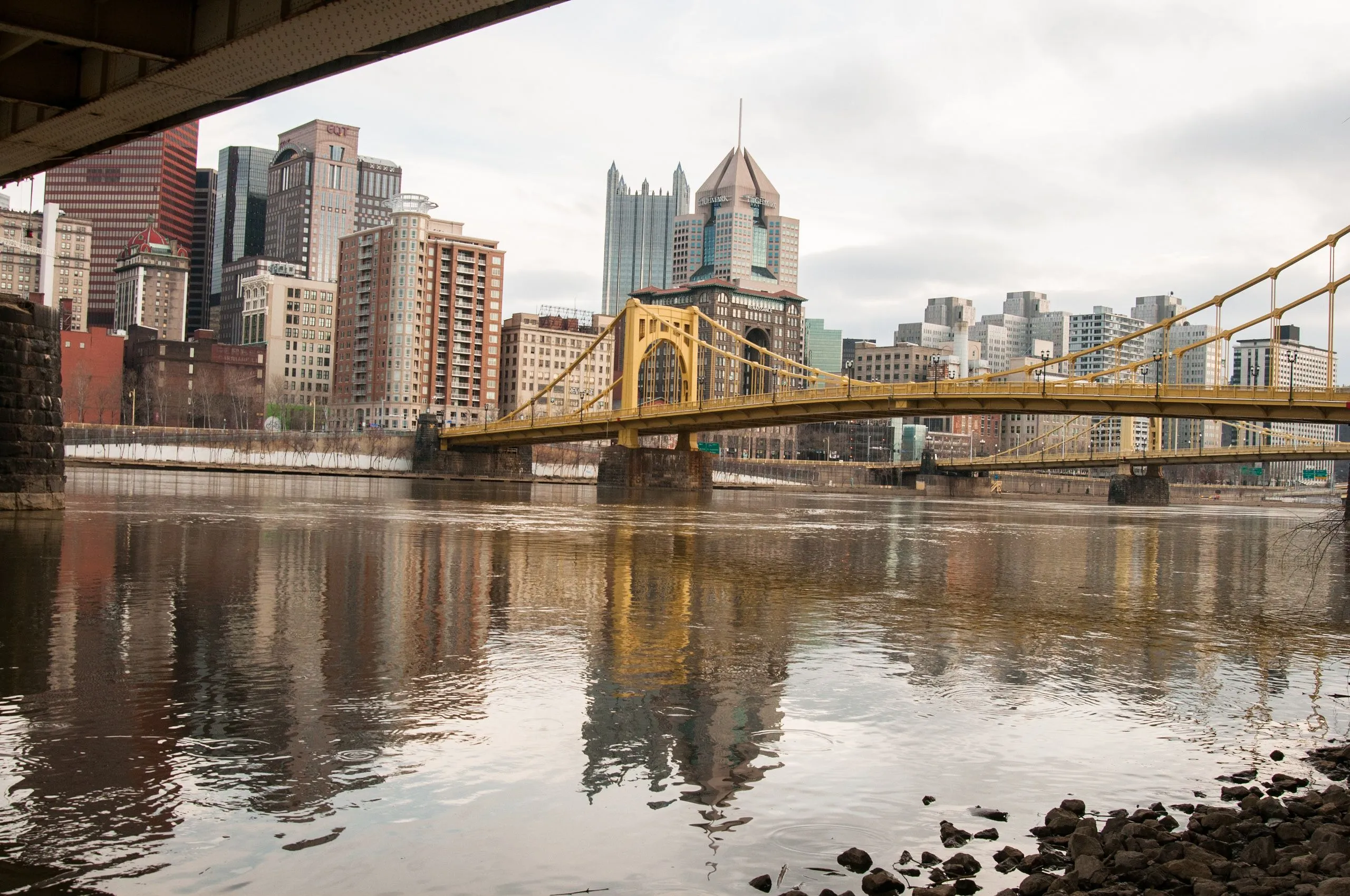
Southwestern Pennsylvania’s diverse geology, industrial heritage, and mix of urban and rural communities create a complex water quality landscape. From Pittsburgh’s three rivers to the rural townships of the surrounding counties, water challenges vary significantly by location and source.

🏙️

Urban & Suburban Areas

Municipal water systems serve most of the region’s population. While these systems meet EPA standards, concerns include aging infrastructure, lead service lines in older neighborhoods, chlorine taste/odor, and disinfection byproducts. Pittsburgh Water’s lead crisis highlighted the importance of point-of-use protection.

🏡

Rural Townships

Many rural areas rely on private wells. Penn State research shows about 50% of Pennsylvania’s private wells fail at least one drinking water standard. Common issues include bacteria contamination, iron and manganese staining, sulfur odors, hard water, and acidic water that corrodes plumbing.

⛏️

Coal & Mining Legacy

The region’s coal mining heritage affects groundwater in many areas. Acidic mine drainage, elevated metals, and sulfur compounds are common in counties with active or historic mining. These issues require custom-engineered treatment approaches based on actual water chemistry testing.

Natural Gas Development

Marcellus Shale development has brought attention to groundwater quality in several counties. While impacts vary, baseline testing and ongoing monitoring are recommended for well owners in active drilling areas. We provide comprehensive testing and documentation.

Common Challenges

Regional Water Quality Issues

These are the most common water quality problems we encounter throughout Southwestern Pennsylvania. Each requires proper testing to determine the best custom-engineered treatment approach.

💧

Hard Water

Caused by dissolved calcium and magnesium from limestone geology. Results in scale buildup, soap scum, spotty dishes, and dry skin. Extremely common throughout the region.

🟤

Iron & Manganese

Creates orange-red (iron) or black (manganese) staining on fixtures, laundry, and appliances. Common in well water throughout the region’s geology.

💨

Sulfur / Rotten Egg Odor

Hydrogen sulfide gas creates distinctive odor. Associated with coal seams, organic matter, and certain geological formations. Makes water unusable without treatment.

🦠

Bacteria Contamination

Coliform bacteria indicate potential contamination pathways. Found in approximately half of PA’s private wells. Requires UV disinfection or other treatment.

🧪

Chlorine & Disinfection Byproducts

Municipal water treatment creates taste/odor issues. Chlorine reacting with organic matter forms byproducts. Whole-house carbon filtration addresses both.

📉

Acidic Water / Low pH

Corrodes copper pipes, causes blue-green staining, leaches metals into water. Common in areas with coal geology or mountain runoff. Requires pH correction.

🔧

Lead

From aging lead service lines and plumbing fixtures in older homes. Pittsburgh’s lead crisis raised awareness. Point-of-use filtration provides protection.

🏭

Industrial Legacy Contaminants

Steel industry and manufacturing heritage left contamination in some areas. Testing identifies specific concerns; treatment varies by contaminant.

Service Area

County Water Quality Guides

Select your county for detailed information about local water quality challenges, municipal systems, and custom-engineered treatment solutions specific to your area.

🏙️

Allegheny County

Pop: 1.25M • 130 Municipalities

Pittsburgh & suburbs. Pittsburgh Water, PA American, multiple authorities. Lead service line replacement ongoing.

Allegheny County Water Services →
🌿

Westmoreland County

Pop: 355K • 65 Municipalities

Greensburg, Latrobe, Murrysville. Municipal Water Authority, PA American, private wells.

Westmoreland County Water Services →
🏛️

Washington County

Pop: 209K • 66 Municipalities

Washington, Canonsburg, McMurray. PA American Water, natural gas development area.

Washington County Water Services →
🍒

Butler County

Pop: 193K • 57 Municipalities

Butler, Cranberry Township, Mars. Butler Area Water, Cranberry Township, private wells.

Butler County Water Services →
🏔️

Fayette County

Pop: 129K • 43 Municipalities

Uniontown, Connellsville. Laurel Highlands region. Coal heritage, mountain geology.

Fayette County Water Services →
🌊

Beaver County

Pop: 168K • 54 Municipalities

Beaver, Aliquippa, Monaca. Ohio River valley. Steel heritage, PA American Water.

Beaver County Water Services →
🎄

Indiana County

Pop: 85K • 40 Municipalities

Indiana (Christmas Tree Capital), Homer City. IUP location. Coal heritage, rural wells.

Indiana County Water Services →
⛷️

Somerset County

Pop: 74K • 50 Municipalities

Somerset, Seven Springs. Mountain geology, ski resorts. Acidic water common.

Somerset County Water Services →
🚂

Cambria County

Pop: 132K • 63 Municipalities

Johnstown, Ebensburg. 1889 Flood history. Greater Johnstown Water Authority.

Cambria County Water Services →
⛏️

Greene County

Pop: 36K • 26 Municipalities

Waynesburg. PA’s #1 coal producer. Rural wells, Marcellus Shale development.

Greene County Water Services →
🏭

Lawrence County

Pop: 86K • 27 Municipalities

New Castle, Ellwood City. Steel and tin heritage. Municipal systems and wells.

Lawrence County Water Services →
🎢

Mercer County

Pop: 110K • 46 Municipalities

Sharon, Hermitage, Grove City. Lake region. Shenango River watershed.

Mercer County Water Services →
🌲

Armstrong County

Pop: 66K • 45 Municipalities

Kittanning, Ford City, Apollo. Allegheny River valley. Rural character, many wells.

Armstrong County Water Services →
Water Testing

Testing Your Water

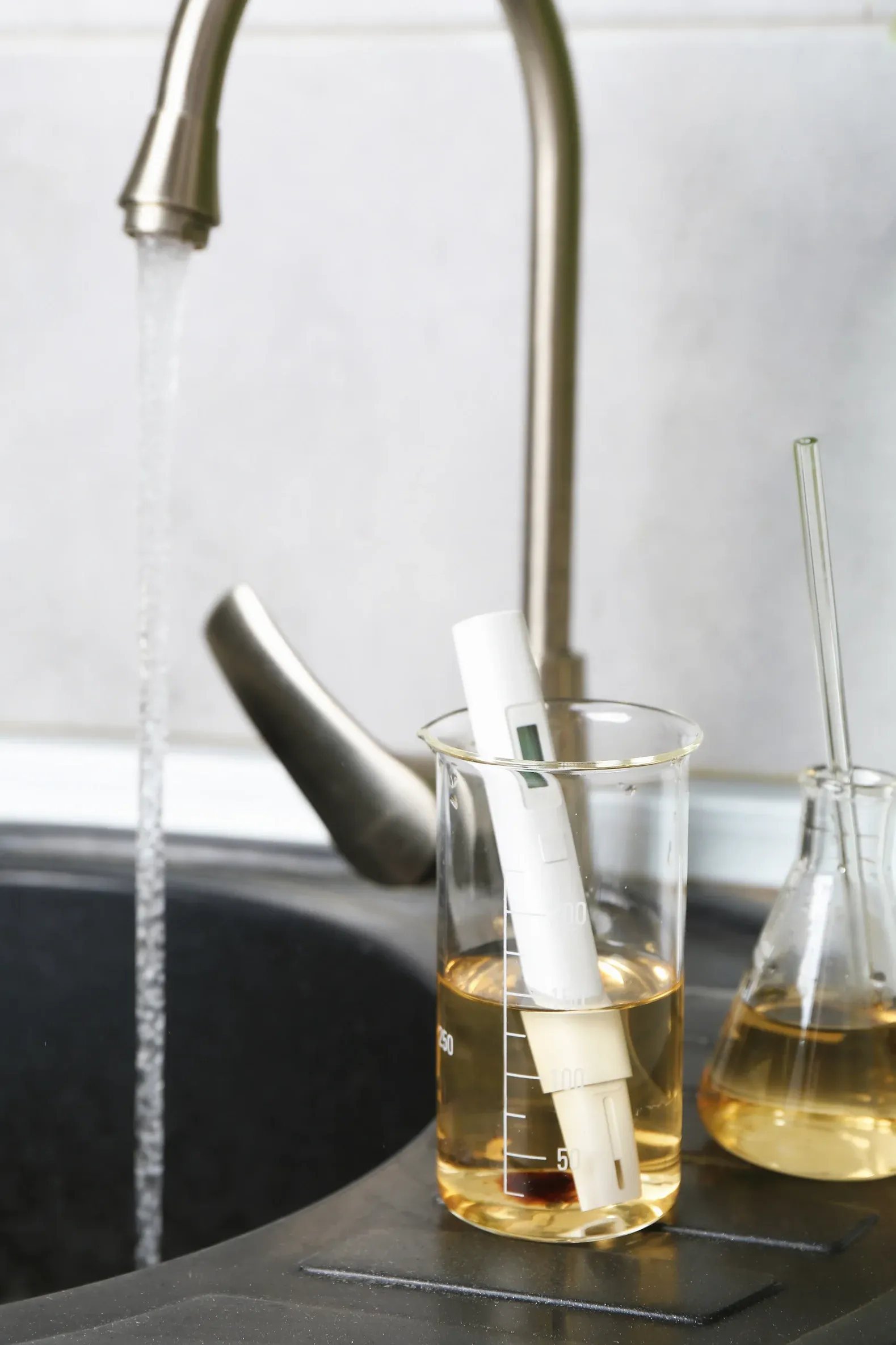
Understanding what’s in your water is essential before choosing any treatment solution. Here’s what you need to know about testing options.
🏠 Private Well Owners

Penn State Extension recommends testing private wells annually for coliform bacteria and every 2-3 years for pH, iron, manganese, hardness, and other parameters. Test immediately if you notice changes in taste, odor, or appearance.

Recommended Tests:

  • Coliform bacteria (annually)
  • pH and hardness
  • Iron and manganese
  • Nitrates (especially with septic systems)
  • Total dissolved solids (TDS)

🏛️ Municipal Water Users

Your water utility publishes annual Consumer Confidence Reports (CCR) with testing results. However, water quality can change as it travels through pipes to your home. Testing at your tap identifies issues specific to your plumbing.

Consider Testing For:

  • Lead (especially older homes)
  • Hardness levels
  • Chlorine residual
  • Total dissolved solids
  • pH at the tap

💧 Professional Water Analysis

We provide comprehensive water testing as part of our consultation process. We test for parameters relevant to your specific location and water source, explain results in plain English, and recommend custom-engineered solutions only if warranted.

Water Testing & Treatment Consultation →

No obligation. No high-pressure sales.

Common Questions

Southwestern PA Water Quality FAQs

Answers to frequently asked questions about water quality, testing, and treatment in our region.

What are the most common water problems in Southwestern Pennsylvania?

The most common issues we see are hard water (calcium and magnesium from limestone geology), iron and manganese staining, sulfur odor (hydrogen sulfide), and bacteria in private wells. Municipal water users often deal with chlorine taste/odor and lead concerns in older homes. The specific problems depend on your water source and location within the region.

How do I know if my well water is safe to drink?

The only way to know is through testing. Penn State research shows about 50% of Pennsylvania’s private wells fail at least one drinking water standard. We recommend annual coliform bacteria testing and comprehensive testing every 2-3 years. If you notice changes in taste, odor, or appearance, test immediately. We provide on-site testing and can recommend certified lab analysis when needed.

Why is my water causing orange/rust stains?

Orange or rust-colored staining is typically caused by dissolved iron in your water. When iron-rich water contacts air (at faucets, in toilets, on laundry), it oxidizes and leaves reddish-brown deposits. Iron levels as low as 0.3 mg/L can cause staining. Custom-engineered iron filtration systems remove iron before it reaches your fixtures and appliances.

What causes the rotten egg smell in my water?

The rotten egg odor is hydrogen sulfide gas (H₂S), common in our region’s coal-bearing geology and areas with organic matter in groundwater. Even small concentrations are noticeable. Sulfur requires specialized treatment based on the concentration and form (dissolved gas vs. sulfur bacteria). We test to determine the right approach for your specific water chemistry.

Is Pittsburgh’s tap water safe after the lead crisis?

Pittsburgh Water has made significant progress with corrosion control and lead service line replacement. However, homes with lead service lines or older plumbing may still have lead exposure risk at the tap. Testing your specific tap water is the only way to know your lead levels. Point-of-use filtration provides an additional layer of protection.

Do you service both well water and municipal water?

Yes. We custom-engineer systems for both water sources across all 13 counties we serve. Well water typically requires treatment for iron, sulfur, hardness, bacteria, and sometimes pH correction. Municipal water often needs chlorine removal, lead protection, and hardness treatment. Each system is designed based on your specific water chemistry—not a one-size-fits-all approach.

How much does a whole-house water system cost?

Costs vary significantly based on your water chemistry, home size, and treatment needs. A basic water softener system for municipal water is different from a multi-stage well water treatment system handling iron, sulfur, hardness, and bacteria. We provide detailed proposals after testing your water—no guessing, no one-price-fits-all quotes. We also offer financing options.

What warranty do you offer on your systems?

We offer up to 10 years of filtration performance protection on qualifying systems (terms apply). Well and spring water systems require third-party lab testing to establish baseline chemistry and qualify for the full warranty. Valve components are covered under manufacturer warranties (Fleck, Clack). We provide complete warranty terms at the time of system design.

Which counties do you serve?

We serve all 13 counties of Southwestern Pennsylvania: Allegheny, Armstrong, Beaver, Butler, Cambria, Fayette, Greene, Indiana, Lawrence, Mercer, Somerset, Washington, and Westmoreland. From the Pittsburgh metro area to the rural townships of the surrounding region, we provide water testing and custom-engineered treatment solutions.

How do I get started with a water analysis?

Call us at 724-708-8816 or fill out the form on this page. We’ll schedule a water testing and treatment consultation at your home. We test your water, explain the results in plain English, and provide honest recommendations based on your actual water chemistry—no pressure, no obligation. The owner personally handles consultations.

About Cesare’s Quality Water Solutions

Three Generations of Water Treatment Expertise

We’re a family-owned water treatment company serving Southwestern Pennsylvania. Our approach is different: we test your water first, explain what we find, and recommend custom-engineered solutions based on your actual chemistry—not one-size-fits-all products.

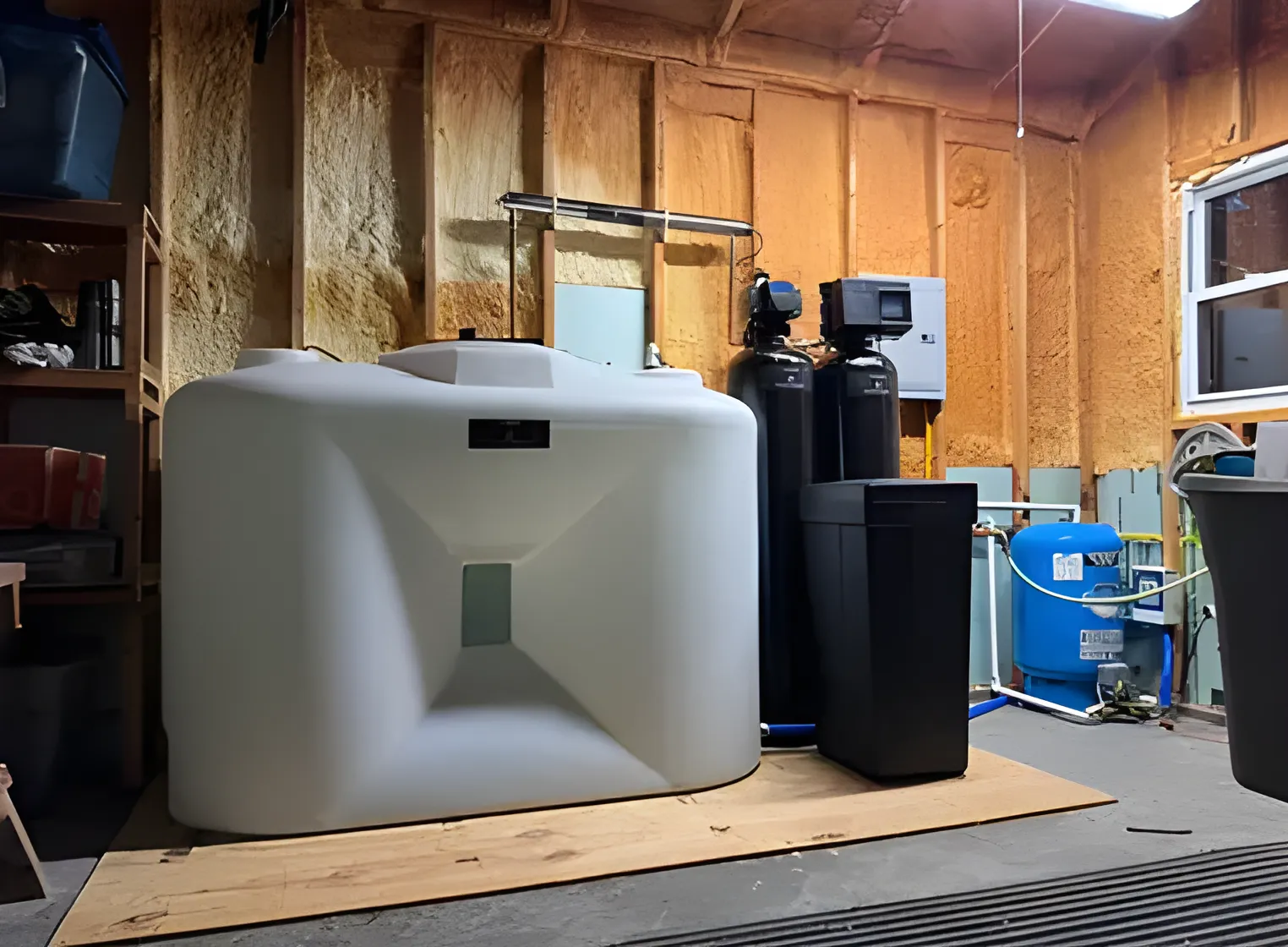
We use commercial-grade equipment including Fleck and Clack control valves and Pentair tanks—the same components used in industrial applications. Custom-designed media for your specific water chemistry. Up to 10-year warranty on qualified systems (terms apply).

Custom-engineered solutions, not guesswork
Owner answers every call
No high-pressure sales tactics
Commercial-grade equipment
BusinessRate Award - Best Water Purification Company in Southwestern Pennsylvania 2026 Best Purification Company 2026 BusinessRate Award Winner
Get Started

Request Your Water Testing & Treatment Consultation

Ready to find out what’s in your water? Contact us for a professional analysis at your Southwestern Pennsylvania home. We’ll test your water, explain the results, and provide honest recommendations—no pressure, no obligation.

📞
Call or Text 724-708-8816
📍
Service Area All 13 Counties of Southwestern Pennsylvania

Your information is used only to contact you about your consultation request.

Better Water Starts with Understanding Your Water

Every home’s water is different. Let us test yours and show you exactly what’s in it—and what custom-engineered solution we can design for you.