
Acid Neutralization & pH Balancing
pH Correction &
Acid Neutralization
Protect Your Pipes. Balance Your Water.
Acidic water is silent damage. It doesn’t stain orange or smell like eggs—it quietly corrodes your copper pipes from the inside out, leaches metals into your drinking water, and slowly destroys water heaters, fixtures, and appliances. Most homeowners don’t know they have it until the damage is done. We test your pH on-site and design custom acid neutralization systems that bring your water into the safe range—permanently.
Minimum Safe pH
Common SW PA Well pH
Corrosion Never Stops
Understanding pH
The pH Scale and Your Water
pH measures how acidic or alkaline your water is, on a scale from 0 (extremely acidic) to 14 (extremely alkaline). The EPA recommends drinking water between 6.5 and 8.5. Most well water in Southwestern PA falls below that range.
Most SW PA Wells: 5.5–6.2
Below 6.0 — Active Corrosion
Water at this pH aggressively attacks copper, lead solder joints, and metal fittings. Blue-green stains appear on fixtures. Pinhole leaks develop in copper pipes. Metals leach into drinking water.
6.0–6.5 — Gradual Damage
Corrosion is slower but steady. You may not see visible staining yet, but pipe walls are thinning. Water heater lifespan shortens. This is where most homeowners miss the problem until it’s expensive.
6.5–8.5 — EPA Recommended
Water in this range is non-corrosive to plumbing, safe for fixtures and appliances, and won’t leach metals from pipes. This is our target after treatment—balanced, stable, and protective.
The Damage
What Acidic Water Does to Your Home
Unlike iron stains or sulfur smell, acidic water damage is often invisible until it becomes a costly emergency. Here’s what low pH water does behind the scenes—and eventually in plain sight.
Blue-Green Stains
Acidic water dissolves copper from your pipes and deposits it on fixtures, creating telltale blue-green staining on sinks, tubs, and shower walls. If you see this, your pipes are corroding from the inside.
Pinhole Pipe Leaks
Acidic water eats through copper pipe walls over time, creating tiny pinhole leaks that cause water damage behind walls, under floors, and in ceilings. Repairs are expensive—and the leaks keep coming until pH is corrected.
Metal Leaching
Low pH water dissolves copper, lead (from older solder joints), and other metals from your plumbing. These dissolved metals end up in the water you drink, cook with, and bathe in. pH correction stops this at the source.
Water Heater Failure
Acidic water accelerates corrosion inside water heaters, attacking the tank lining, heating elements, and anode rod. A water heater that should last 10–15 years may fail in 5–7 with untreated acidic water.
Fixture Degradation
Faucets, showerheads, and valves corrode faster. Rubber seals and washers break down. You replace parts more often, and fixtures never look as clean as they should—even right after cleaning.
Compounding Costs
The damage accumulates silently: premature pipe replacement, frequent plumber visits, shortened appliance lifespans, and potential water damage repairs. A pH correction system costs a fraction of the damage it prevents.
The Silent Threat
Why Acidic Water Is the Most Overlooked Problem
You Can’t See It, Smell It, or Taste It
Iron turns your water orange. Sulfur makes it smell like eggs. Hard water leaves white scale. But acidic water? It looks perfectly clear. It has no odor. It tastes normal. The only evidence is the damage it leaves behind—blue-green stains that won’t scrub off, pipes that start leaking without warning, and a water heater that dies years before it should.
By the time most homeowners realize they have acidic water, they’ve already paid for it in plumber bills, appliance replacements, and property damage. A simple pH test catches the problem before any of that happens.
Our Process
How We Correct Your Water’s pH
pH correction is both straightforward and chemistry-dependent. The right system depends on how acidic your water is, what other contaminants are present, and your household’s water usage. Here’s our process.
On-Site pH & Chemistry Testing
We measure pH, alkalinity, hardness, iron, manganese, hydrogen sulfide, TDS, and chlorine at your tap. pH is just one data point—the full chemistry picture determines system design. Accurate pH readings require on-site testing because pH can shift after water is exposed to air.
Determine the Full Treatment Plan
If your water has only low pH, a single-stage acid neutralizer may be all you need. If iron, manganese, sulfur, or hardness are also present—which is common in our area—we design a multi-stage system where pH correction is integrated in the right sequence with other treatment stages.
Custom System Design
We select Custom-Designed media matched to your pH level and flow requirements. The media dissolves slowly as acidic water passes through, raising pH to the target range. Tank size, media type, and flow rate are all calibrated to your household’s specific needs.
Professional Installation
We install the system at your water’s point of entry—before it reaches any plumbing, fixtures, or appliances. Proper plumbing connections, bypass valves, and backwash drain routing are included. The system is pressure-tested and calibrated before we leave.
Verification & Ongoing Support
We verify treated water pH is within the target range, document your baseline test results for warranty records, and walk you through your system’s operation. Based in Murrysville, we’re available for media replenishment, maintenance, and questions. Systems backed by up to a 10-year warranty (terms apply).
Our Systems
pH Correction Systems We Design & Install
Every system is custom-engineered based on your water test results. From simple single-tank neutralizers to comprehensive multi-stage solutions, here’s what our acid neutralization systems look like.
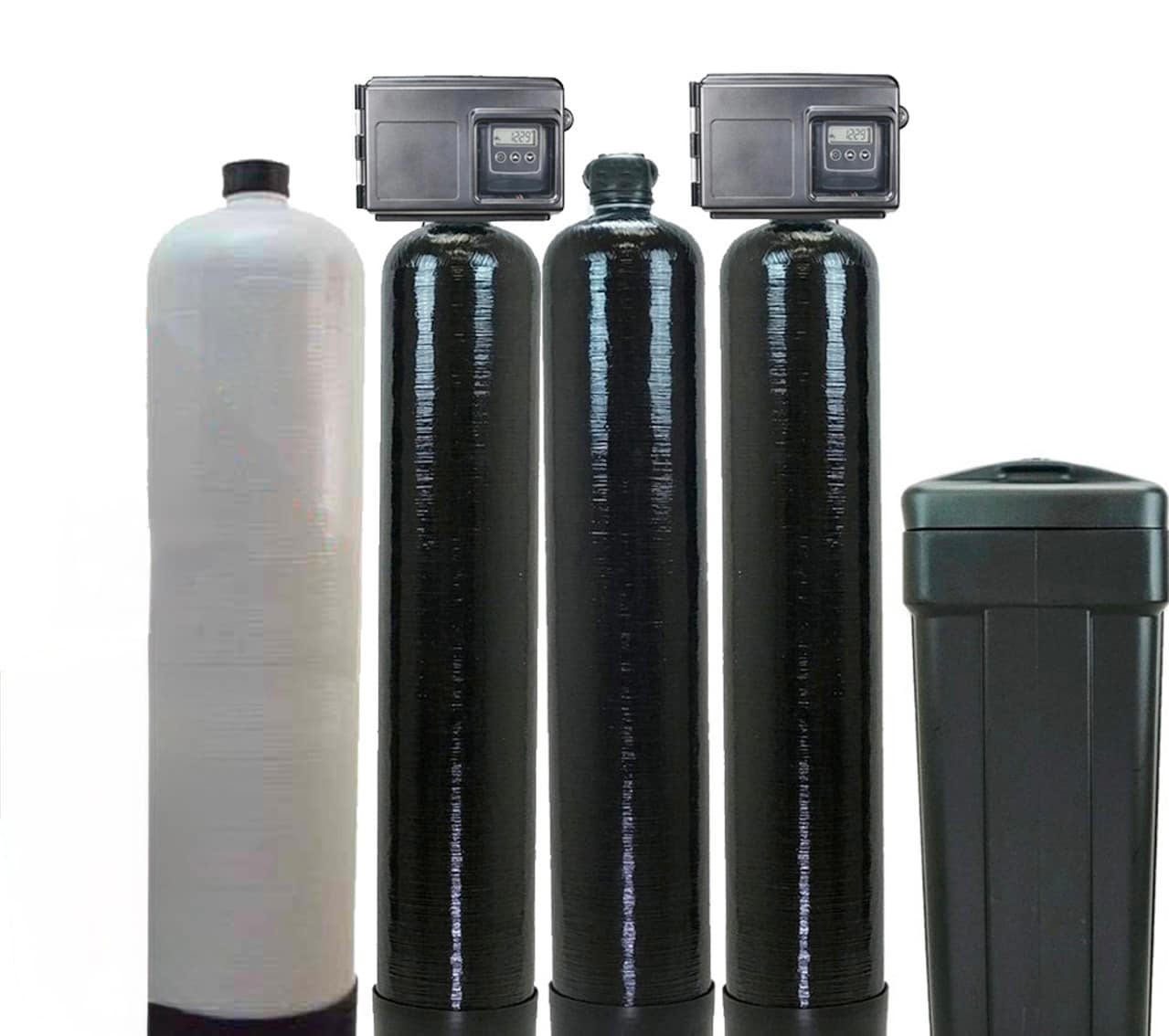
Complete Multi-Stage System
Multi-Stage Treatment With pH Correction
When well water has low pH alongside iron, manganese, and hardness—which is common across Southwestern Pennsylvania—this is what the solution looks like. Four treatment tanks plus a brine tank, each stage engineered for a specific job. The acid neutralization stage brings pH into the safe range first, which allows the downstream iron removal and softening stages to perform at peak efficiency. Custom-Designed media in each tank is selected based on the homeowner’s actual water chemistry. There’s no such thing as untreatable water—just water that hasn’t been properly tested and engineered yet.
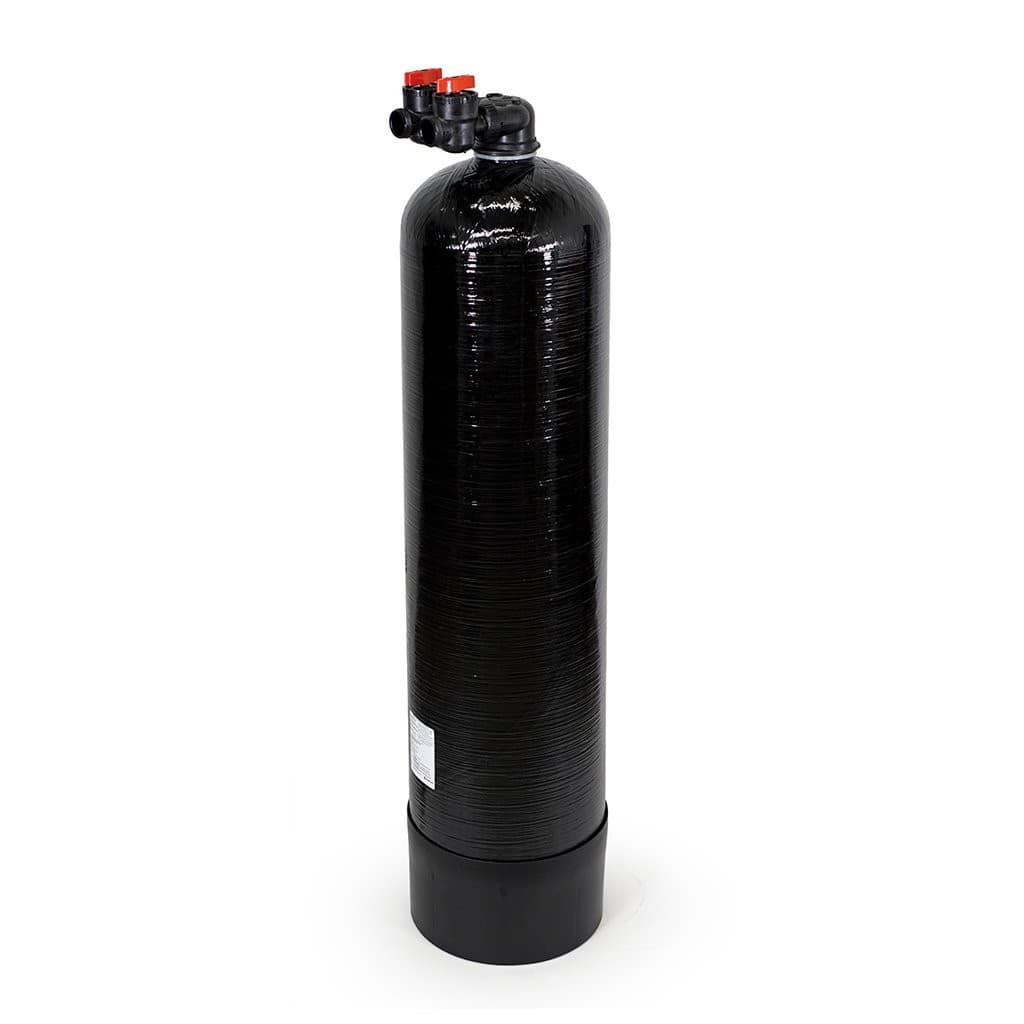
Single-Tank Neutralizer
Single-Tank Acid Neutralizer
For homes where low pH is the primary concern and other contaminant levels are low, a single-tank acid neutralizer is an efficient, effective solution. The tank is loaded with Custom-Designed media that slowly dissolves as acidic water passes through, gradually raising pH to the target range. As the media is consumed over time, periodic replenishment keeps the system performing. Simple, reliable, and purpose-built for pH correction.
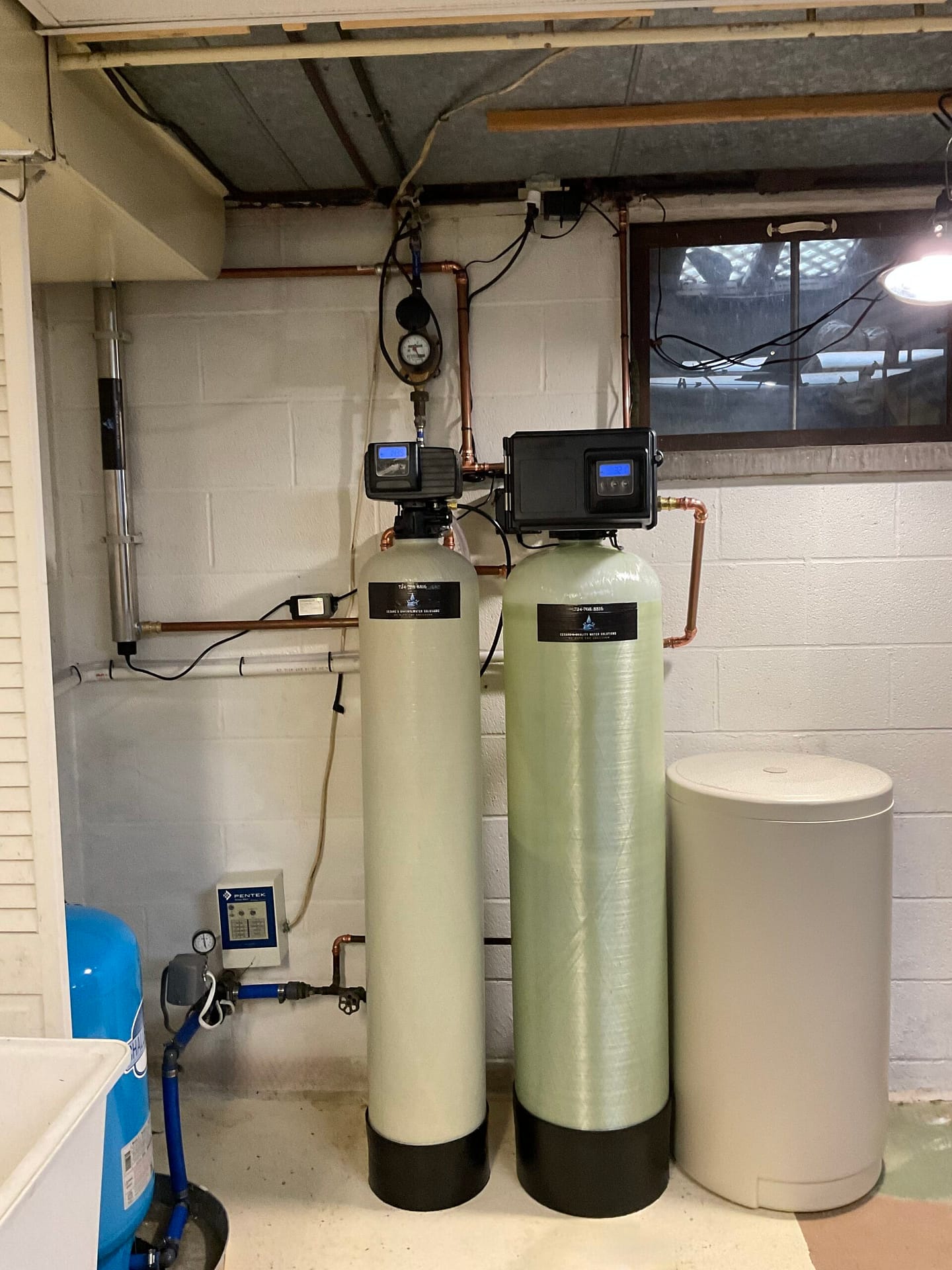
Cesare’s Install
Complete Treatment System — Real Installation
An actual Cesare’s installation in a local homeowner’s basement. This multi-stage system addresses pH correction alongside iron and manganese filtration, water softening, and UV disinfection to help inactivate microorganisms—all plumbed with proper bypass valves, drain routing, and individual programming calibrated to this homeowner’s specific water test results. This is what comprehensive water treatment looks like when every stage is designed around real data.
Commonly Paired Issues
Low pH Rarely Comes Alone
In Southwestern PA, acidic well water frequently comes with other water quality challenges. A properly designed system addresses the complete picture.
Iron & Manganese
Low pH makes iron and manganese harder to filter effectively. Many iron filters underperform because the installer didn’t account for pH. Correcting pH first dramatically improves downstream iron and manganese removal.
Hydrogen Sulfide
The same geological conditions that produce acidic water frequently produce hydrogen sulfide—the rotten egg smell. When both are present, proper staging of treatment is critical. We design systems that handle both efficiently.
Hard Water
After pH correction, water may need softening. Acid neutralization can slightly increase hardness as minerals dissolve into the water. A properly staged softener after the neutralizer handles this cleanly.
Coverage Area
pH Correction Throughout Southwestern PA
Acidic well water is widespread across our 13-county service area. We install acid neutralization systems throughout the region.
Allegheny County
Butler County
Washington County
Fayette County
Indiana County
Armstrong County
Beaver County
Lawrence County
Mercer County
Somerset County
Cambria County
Greene County
Based in Murrysville. Professional pH correction and acid neutralization throughout the region.
Common Questions
pH Correction & Acid Neutralization FAQs
What pH level is safe for drinking water?
The EPA recommends a pH between 6.5 and 8.5 for drinking water. Below 6.5, water becomes corrosive to plumbing and can leach metals from pipes. Our acid neutralization systems are designed to bring your water into this safe range based on your actual starting pH.
How do I know if my water is acidic?
The most reliable way is a professional pH test at the source. However, visual clues include blue-green stains on sinks or tubs (from dissolved copper), premature failure of water heaters or fixtures, and pinhole leaks in copper pipes. If you’re seeing any of these signs, low pH is a likely contributor.
What causes low pH in well water?
Acidic well water is caused by naturally occurring geological conditions—primarily the type of rock and soil your groundwater flows through. In Southwestern Pennsylvania, the regional geology frequently produces well water with pH below the EPA recommended range. Rain is naturally slightly acidic, and as it percolates through certain rock formations, it stays acidic rather than picking up alkaline minerals.
Is acidic water dangerous to drink?
Low pH water itself isn’t directly harmful to drink at the levels typically found in residential wells. The danger is indirect: acidic water corrodes pipes and leaches metals—including copper and potentially lead from older solder joints—into your drinking water. Those dissolved metals can be a health concern at elevated levels. Correcting pH eliminates the corrosion that causes metal leaching.
What are the blue-green stains on my fixtures?
Blue-green stains are dissolved copper deposited by acidic water. Your water is corroding the inside of your copper pipes, carrying dissolved copper to your fixtures, and leaving it behind as visible staining. The stains are the symptom—the real problem is ongoing pipe corrosion. pH correction stops the corrosion at its source.
How does an acid neutralizer work?
Water flows through a tank filled with Custom-Designed media that slowly dissolves on contact with acidic water. As the media dissolves, it releases alkaline minerals that raise the water’s pH to the target range. The media is gradually consumed over time and requires periodic replenishment—a standard maintenance visit, not a system replacement.
Will pH correction make my water harder?
It can. As acid neutralization media dissolves, it adds some mineral content to the water, which can slightly increase hardness. If this pushes hardness above acceptable levels, we add a water softener stage after the neutralizer. We account for this in the system design from the start.
How often does the media need to be replenished?
Frequency depends on your starting pH level and water usage. More acidic water consumes media faster. For most households, media replenishment is needed every 6–18 months. We’ll give you a realistic timeline based on your specific water chemistry and schedule maintenance accordingly.
Can you fix my existing acid neutralizer that isn’t working?
Yes. We service acid neutralization systems regardless of who installed them. Common issues include depleted media, undersized tanks, incorrect media selection for the pH level, or co-occurring issues (iron, manganese) that weren’t addressed in the original design. We test your water, evaluate your equipment, and give honest recommendations.
How do I get started?
Call us at 724-708-8816 or fill out the form below. We’ll schedule an on-site water test to measure pH, alkalinity, and other relevant parameters. From there, we design a system matched to your actual water chemistry. No guessing, no pressure.
Get Started
Stop the Corrosion Before It Costs You
Every day with acidic water is another day of invisible damage to your pipes, appliances, and fixtures. A single water test tells us exactly where your pH stands—and what it takes to fix it. Contact us for an on-site assessment and custom system recommendation.
724-708-8816
support@cesareswater.com
Southwestern PA — 13 Counties
24/7 Emergency Service Available
BusinessRate Award Winner
Request Your Water Test
Tell us about your water and we’ll reach out to schedule your consultation.
Balance Your Water. Protect Your Home.
Custom-engineered acid neutralization designed for your exact water chemistry. Professional installation. Local support. Up to 10-year warranty.